Glories of India Publications
Glories of India Series

Rediscovering India's Civilizational Journey

Explore books and research arising from more than thirty-five years of independent study, field exploration, historical comparison and engagement with archaeology, ancient texts, geography, astronomy and living traditions.

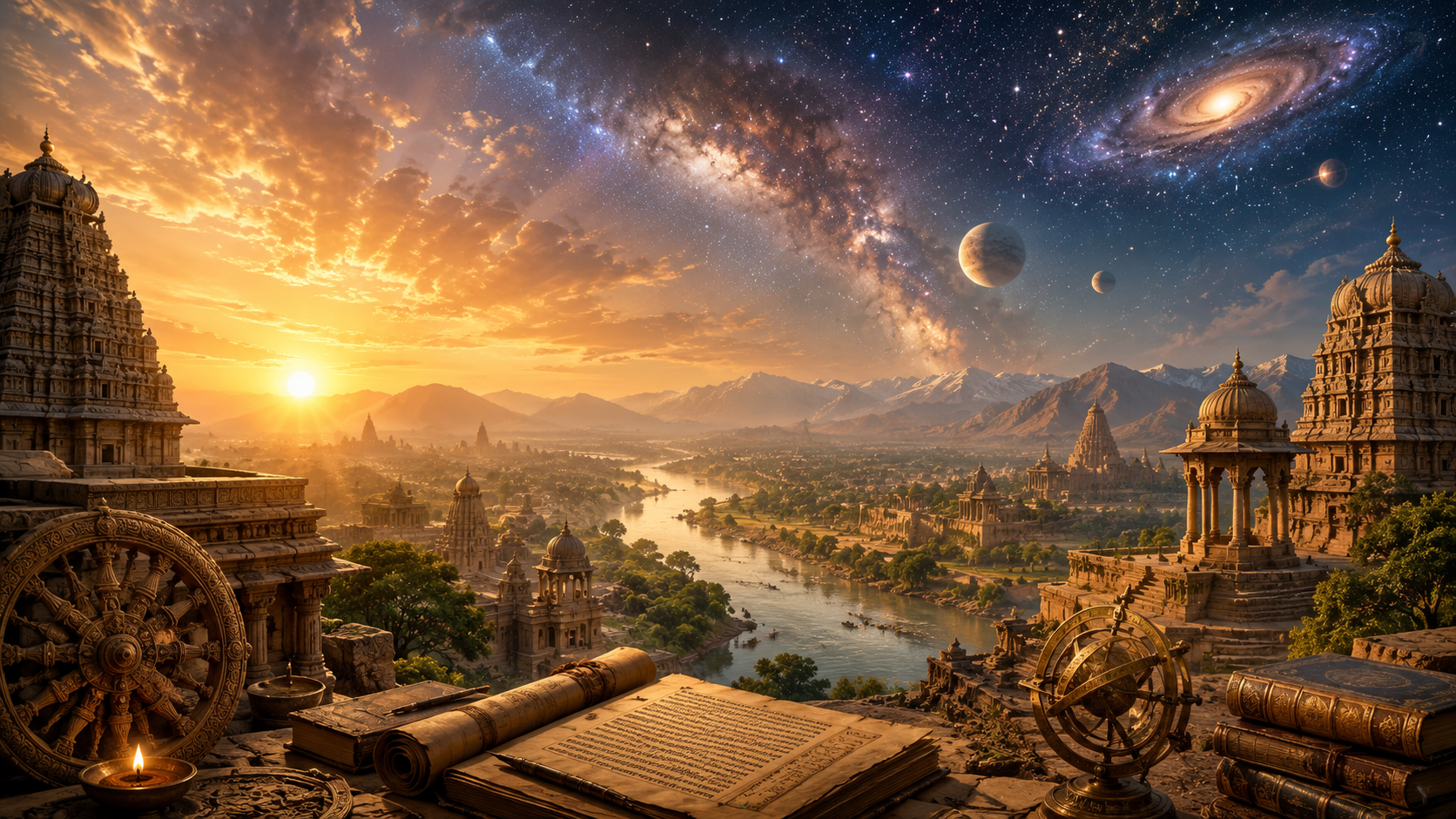
Historic Indian architectural carvings representing civilizational depth
Glories of India Publications
Section II

Featured Books

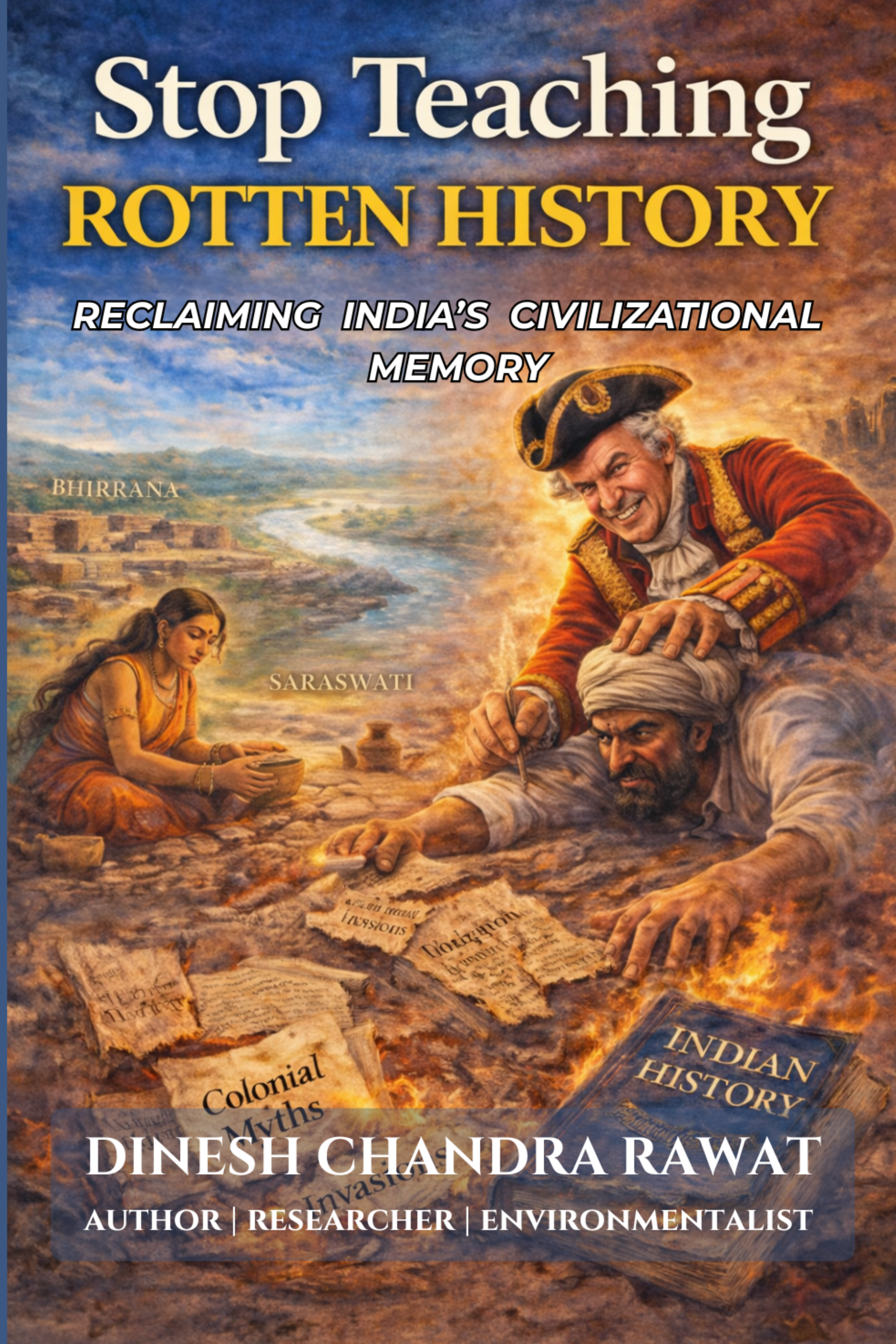
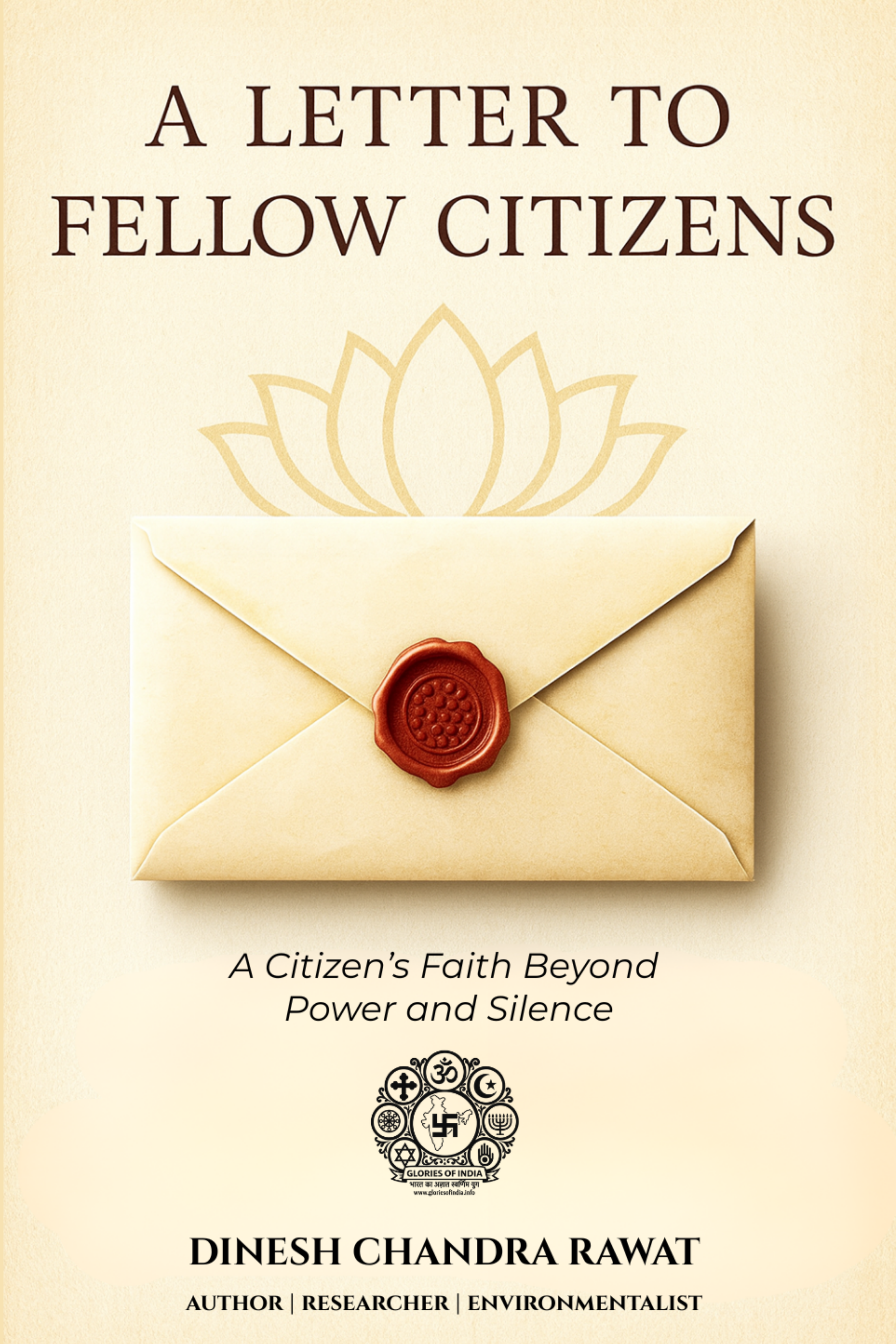
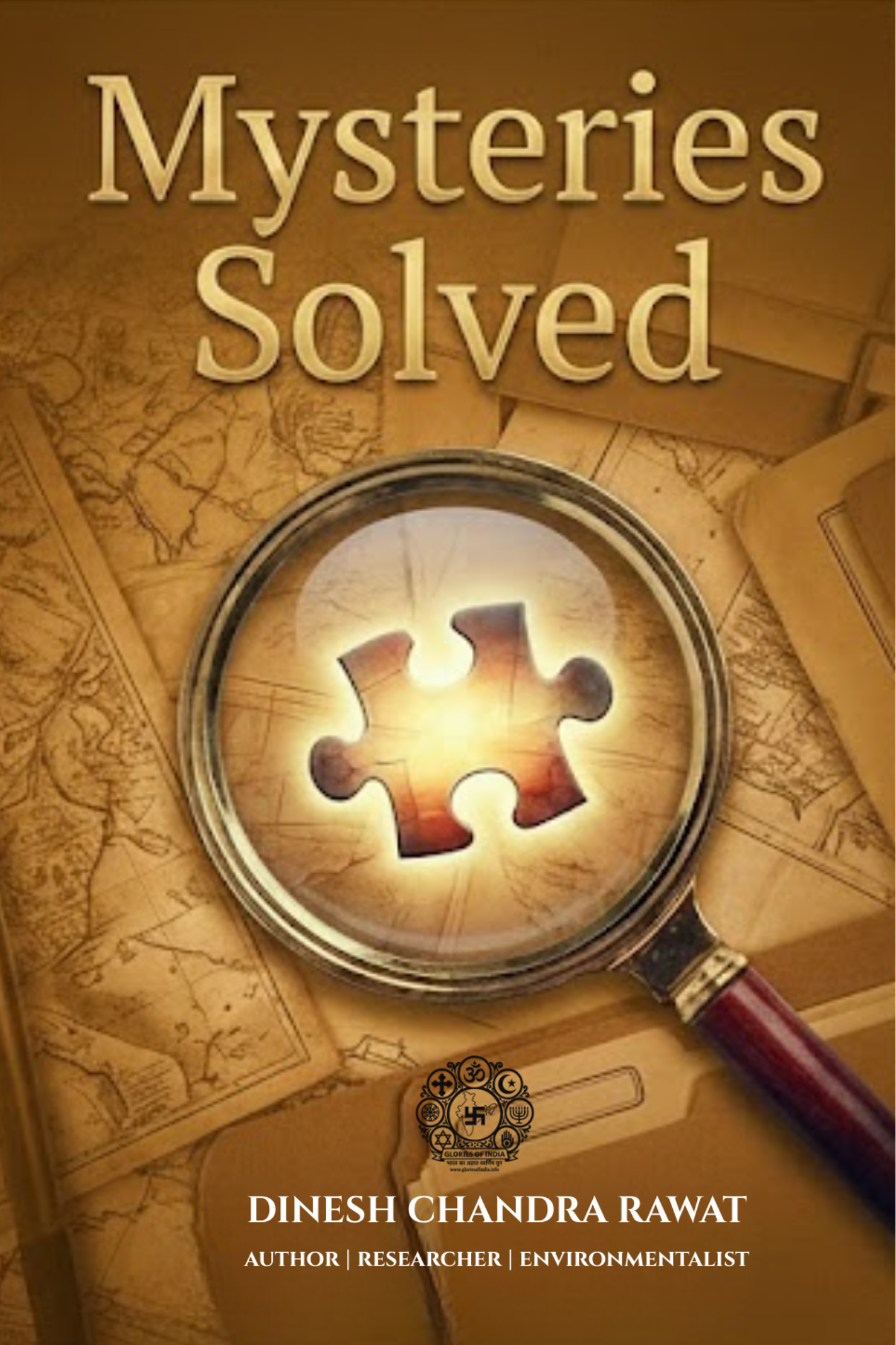
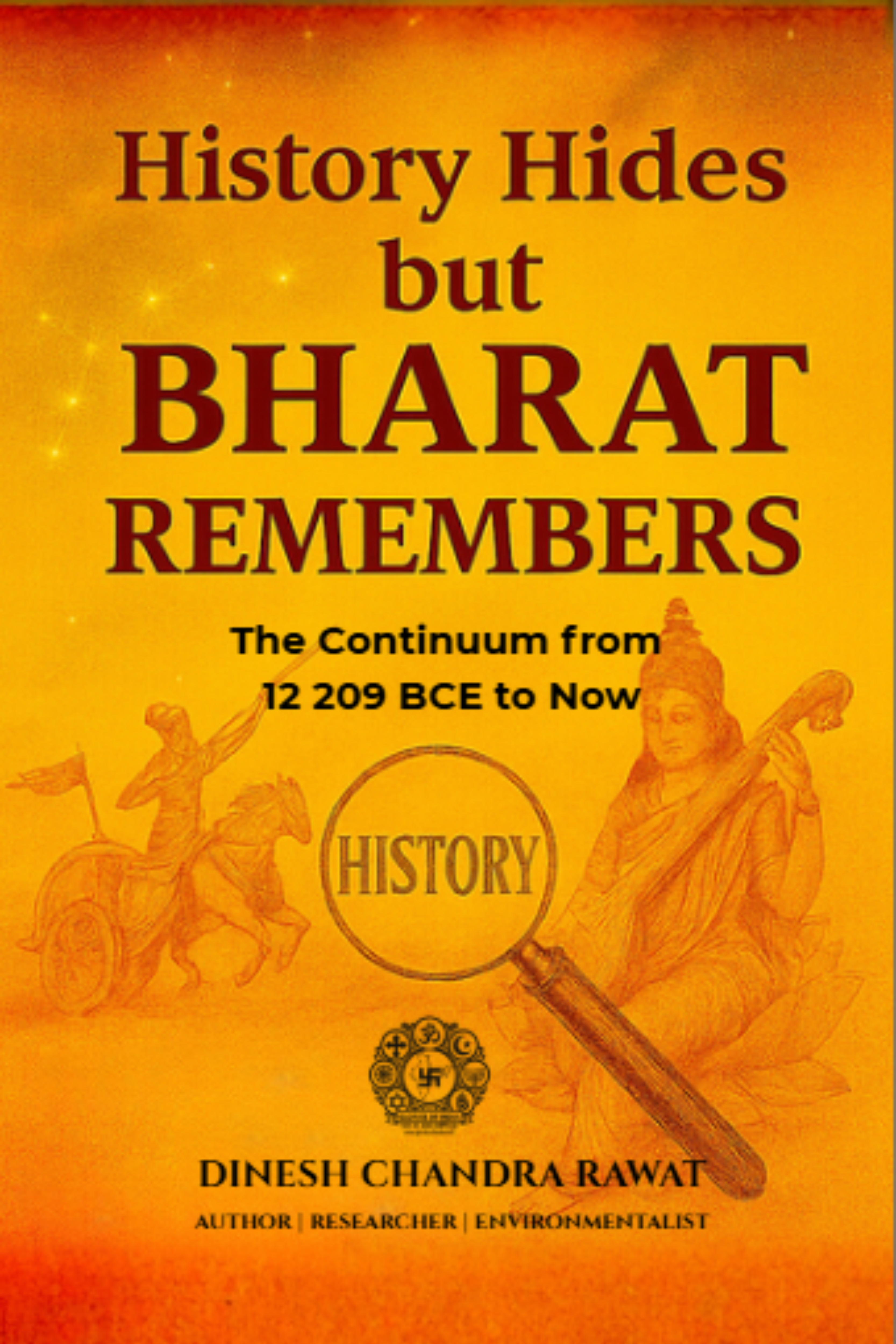
From the Glories of India Series — civilizational inquiry through evidence and exploration.

Second Series

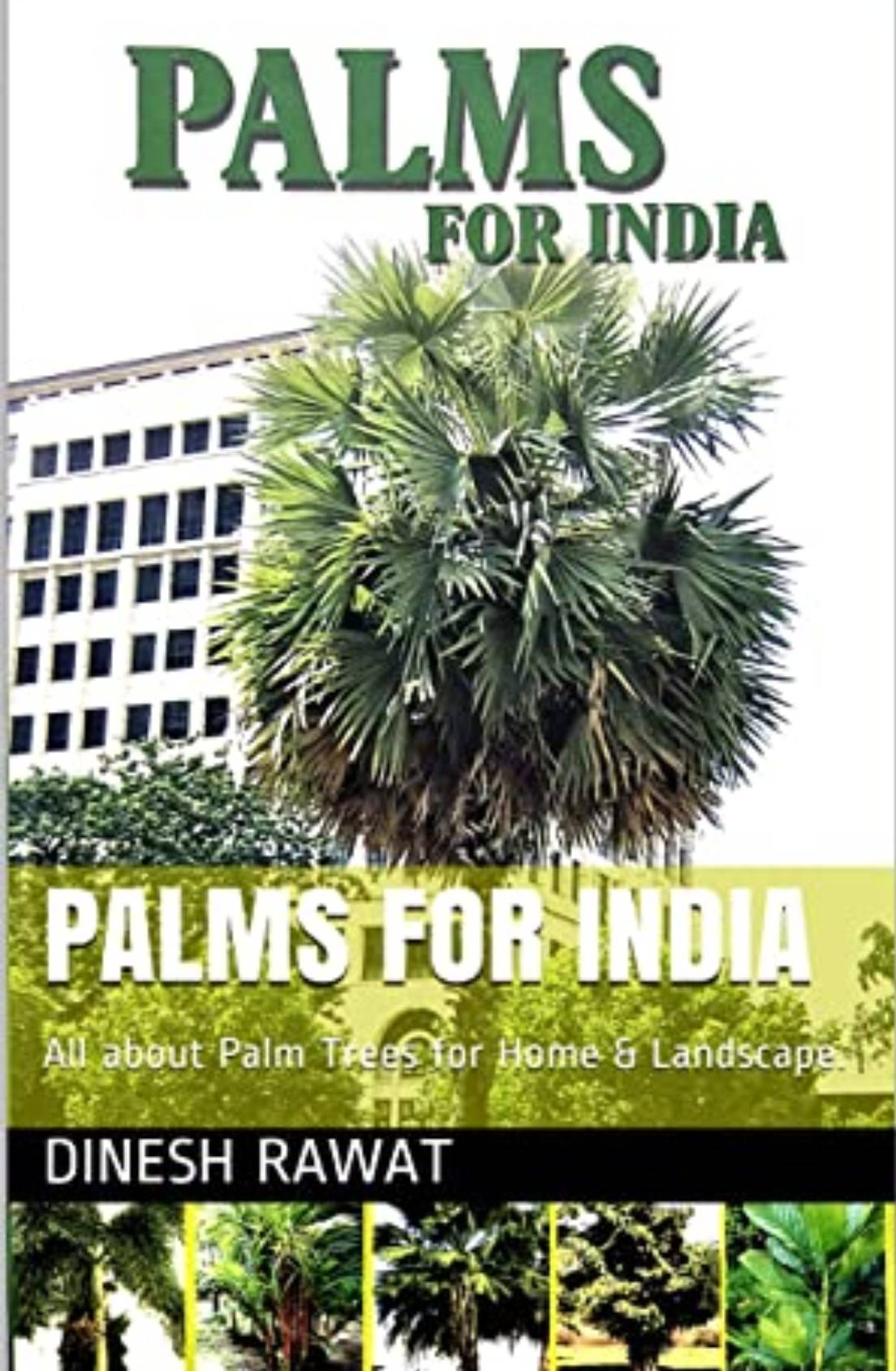
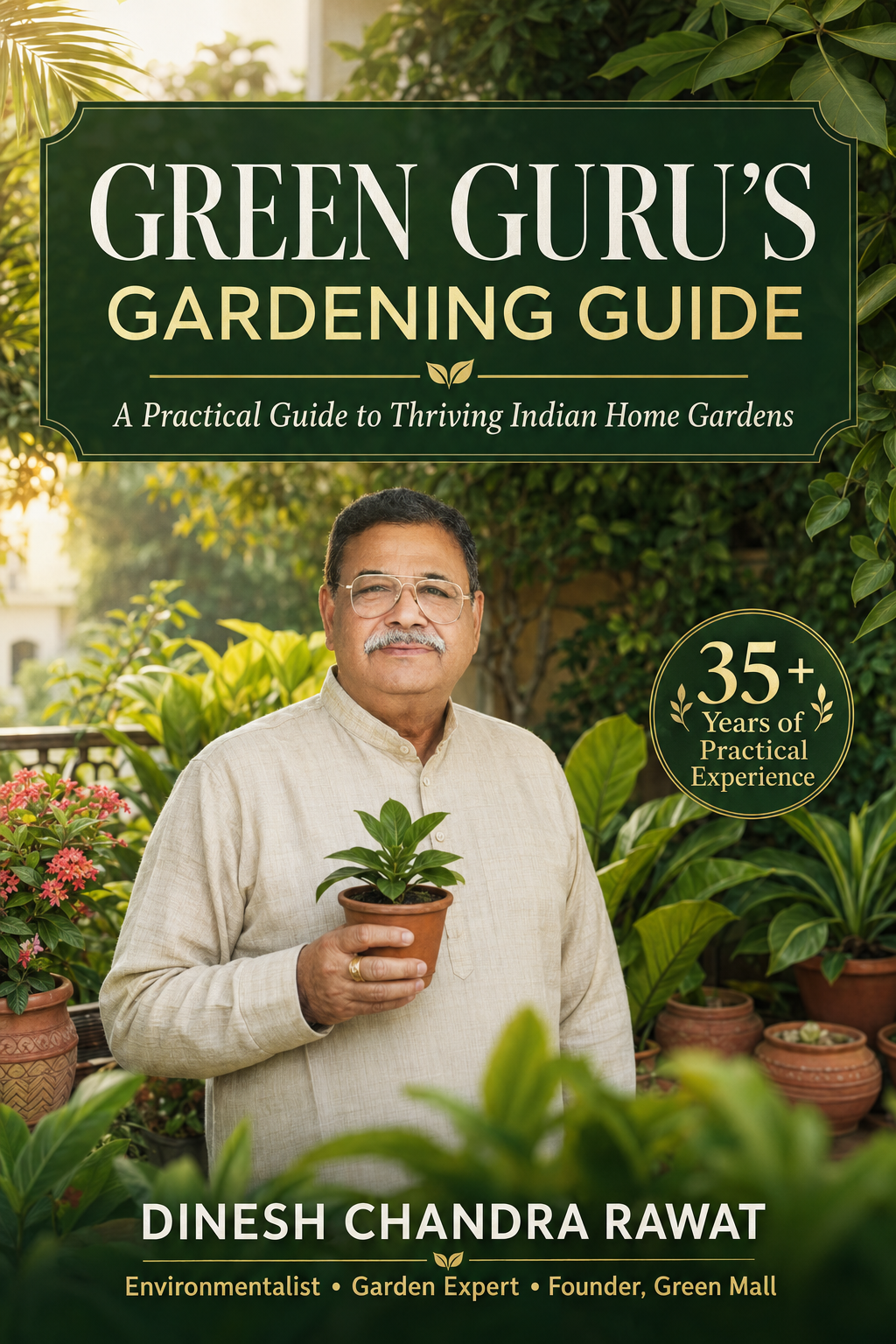
Gardening, Horticulture & Landscape Knowledge

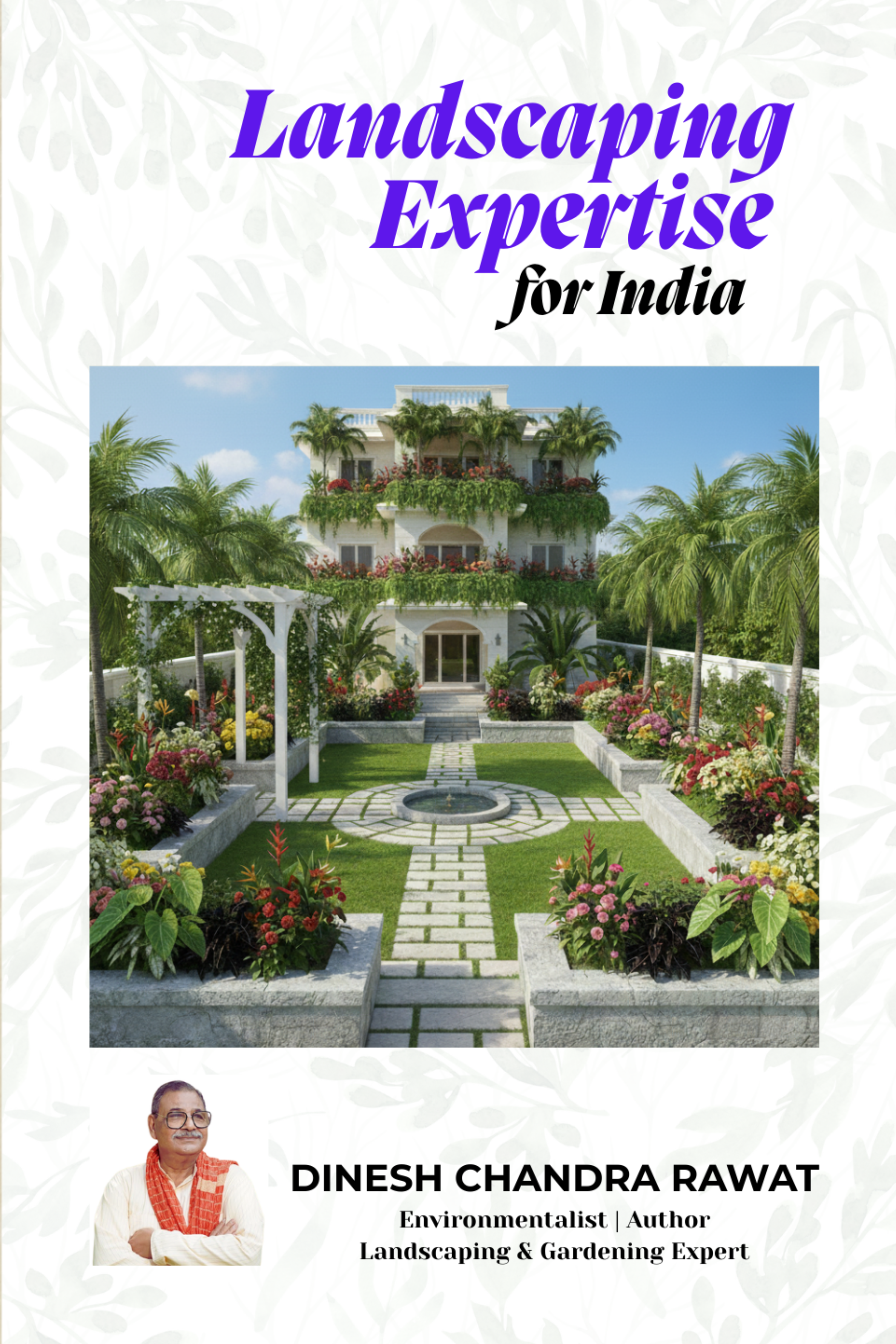
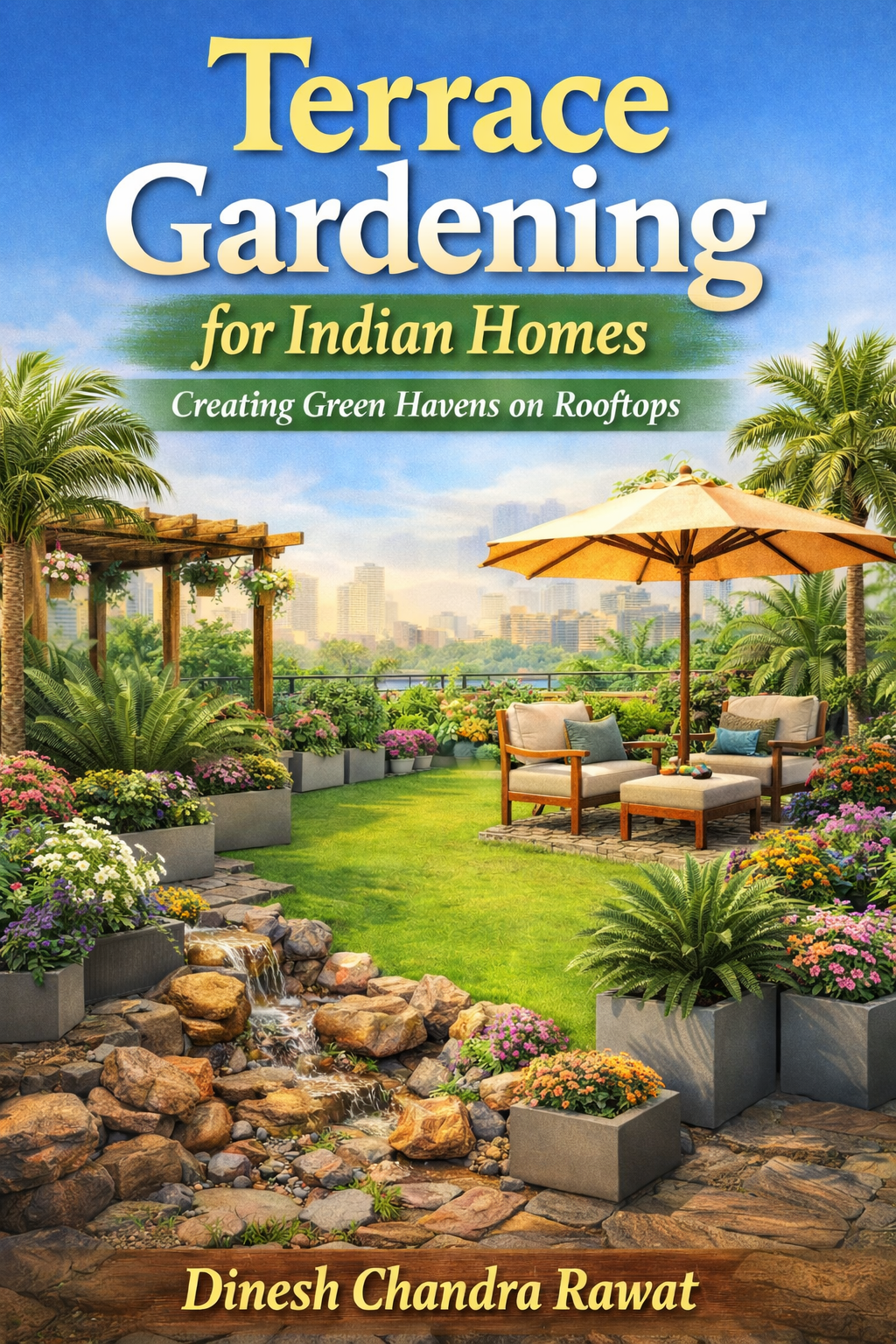
Practical guides from the Green Guru Knowledge Series — drawing on decades of hands-on gardening, landscaping, palm cultivation and environmental work across Indian conditions.

Section III

Why These Books Exist

These books invite readers to examine important questions about India's civilizational past through evidence, comparison and open-minded inquiry.

01

Forgotten Historical Questions

Return to primary questions that have been set aside in mainstream discourse and reopen them with careful evidence.

02

Evidence Across Disciplines

Read history against archaeology, geography, texts, astronomy and genetics rather than a single lens.

03

Thirty-Five Years of Exploration

Draw upon decades of field visits, reading and comparison across regions and continents.

04

Knowledge for Future Generations

Present the work in a form that students, educators and general readers can engage with responsibly.

Section IV

Research Approach

Archaeology

Excavated evidence, dating and material culture.

Ancient Texts and Manuscripts

Primary sources and philological study.

Geography and River Systems

Palaeo-channels, settlements and terrain.

Astronomy and Chronology

Positional astronomy and dating frameworks.

Genetics and Population Studies

Peer-reviewed genetic literature.

Maritime and Overland Trade

Ports, routes and inter-civilizational exchange.

Architecture and Cultural Continuity

Temple, urban and university traditions.

Field Visits and Local Traditions

Site inspection and living oral memory.

Editorial Disclaimer

Materials on this website may include established scholarship, debated interpretations and the author's independent conclusions. Readers are encouraged to consult the cited sources and consider differing scholarly perspectives.

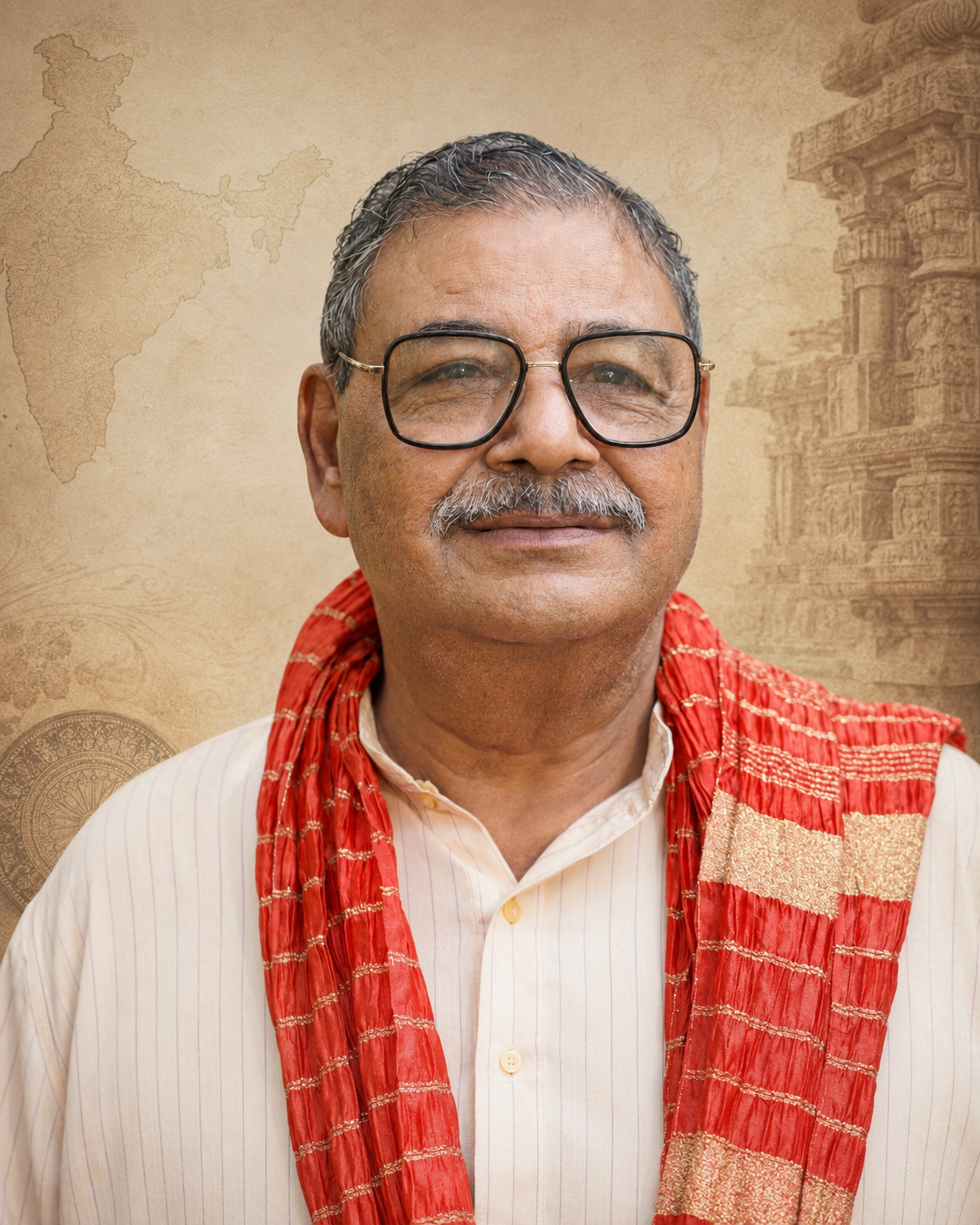
Portrait of Dinesh Chandra Rawat
Section V

Following History Across Continents

For more than thirty-five years, Dinesh Chandra Rawat's search for historical understanding has led through ancient cities, archaeological museums, Himalayan regions, libraries, sacred places and conversations with scholars and local communities.

Independent Reading & Reflection
Long-form engagement with primary sources and comparative literature.
Field Exploration Across India
Site visits, museums, libraries and interactions with local knowledge-bearers.
International Travel & Comparison
Observations from historic centres and archaeological collections abroad.
Publication & Public Engagement
Books and conversations opening questions to a wider readership.
Section VI

Watch & Explore

Book trailers, author messages, research journeys, interviews and short educational videos. Videos load only when selected to keep the site fast.

Gen Z Questions History – Are We Being Told the Full Story?
Indian Civilization Reborn | The History India Deserves to Know
The Lies in History Books That Were Never Told to You
How Britain Systematically Destroyed India's Economy
Section VIII

Latest Articles

View all
Indian Civilization & History

Should History Ever Be Considered Settled?

Dinesh Chandra Rawat

History is built from evidence, interpretation and continuing investigation. New archaeological discoveries, scientific methods and fresh readings of existing sources can change how we understand the past. This article asks whether history should ever be considered completely settled—or whether responsible historical inquiry must always remain open to new evidence.

Indian Civilization & History

Why Indian Civilization Deserves a Fresh Examination

Dinesh Chandra Rawat

New discoveries in archaeology, geography, genetics and other scientific disciplines continue to add important evidence to the study of India’s ancient past. This article examines why Indian civilization deserves continuing study through an open, evidence-led and multidisciplinary approach.

Section XI

History Becomes Meaningful When People Participate